Praise, Blame, and the Goalkeeper
A goalkeeper who looks anonymous for a game is often just playing in front of a team having an anonymous game. We rarely talk about it that way.
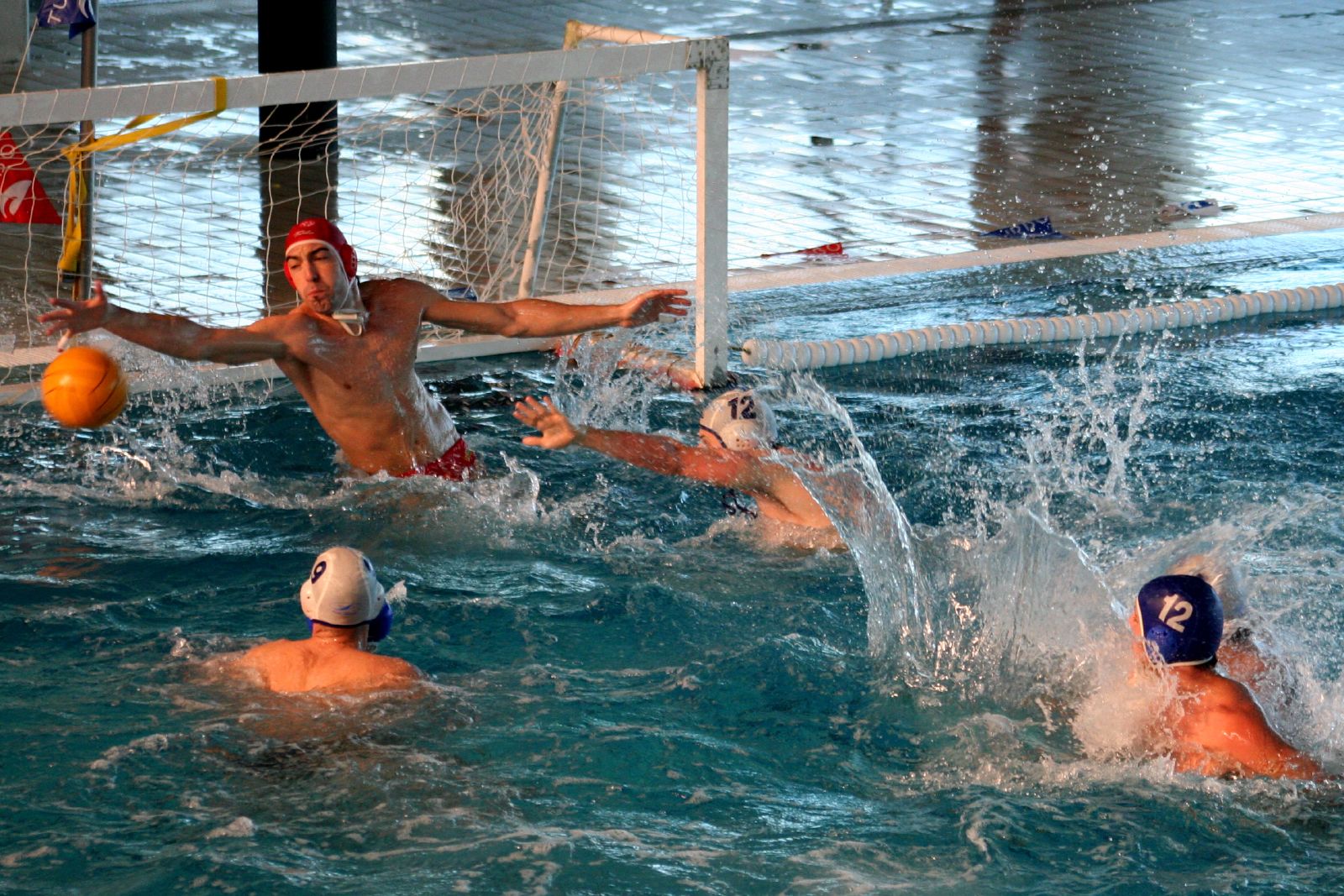
Of all the players on a water polo team, the goalkeeper is probably the most visibly distinct from their peers. The role is different, the required skills are different, and most coaches still want every player in the squad to feel of equal value to the team. How do those two things sit together?
Separate training isn't the issue
There's no real need for a goalkeeper to train alongside the outfield players during the technical parts of a session. Time spent that way is largely wasted: a goalkeeper learning to reverse scull and block has about as much relevance to their role as an outfield player learning a top-corner finish. Both develop some transferable qualities, but both groups improve faster doing the things they'll actually use in a game.
In practice, separating goalkeepers out for these parts of a session doesn't change how a goalkeeper feels about their teammates. It makes clear that the goalkeeper has a distinct role. It doesn't, on its own, make that role feel more or less valuable than any other.
Where the real damage happens
What does affect how a goalkeeper is valued is the general dialogue around what a goalkeeper is and isn't responsible for. There's a real danger of putting too much blame, or too much credit, on a goalkeeper's shoulders. As the last line of defence, a goalkeeper's actions can look like the difference between a goal and no goal, and coaches and players often say as much: a keeper was "not at it," or "won us the game," sometimes within minutes of kick-off.
I'd be cautious about that kind of read. A goalkeeper is far more dependent on the team in front of them than on their own individual performance. Every water polo fan can point to a match where even the best goalkeepers in the world, Bijac, Vogel, Aguirre, have looked anonymous. It's hard to lay that dip solely at the goalkeeper's feet. The team around them shapes where shots come from and how much pressure sits on each one, which is often the deciding factor in whether the ball goes in.
Why this matters for team culture
This also lines up with how most coaches actually want their team to function: a collective, where every player brings a different set of strengths and weaknesses that help the group at different moments. Framing the goalkeeper this way fits that philosophy naturally. Avoiding excessive praise or blame for goals conceded or saved helps hold that philosophy up in practice, not just in theory. A team environment that lets a goalkeeper absorb outsized credit or criticism is working against the same principle it claims to build the team on.